How to Style an Oversized Blazer: A Complete Guide
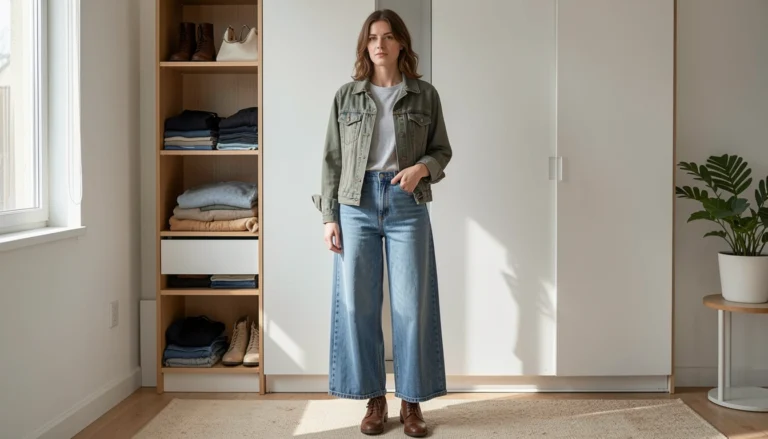
I stood in front of the mirror with an oversized blazer over a basic top and jeans. The shoulders felt too wide, the hem hung low, and nothing connected the pieces.
I tried tucking the top and adjusting the sleeves, but the shape still looked off. The jacket seemed to float on its own.
It took several tries to notice what actually fixed the proportion without changing the blazer itself.
How to Style an Oversized Blazer: A Complete Guide
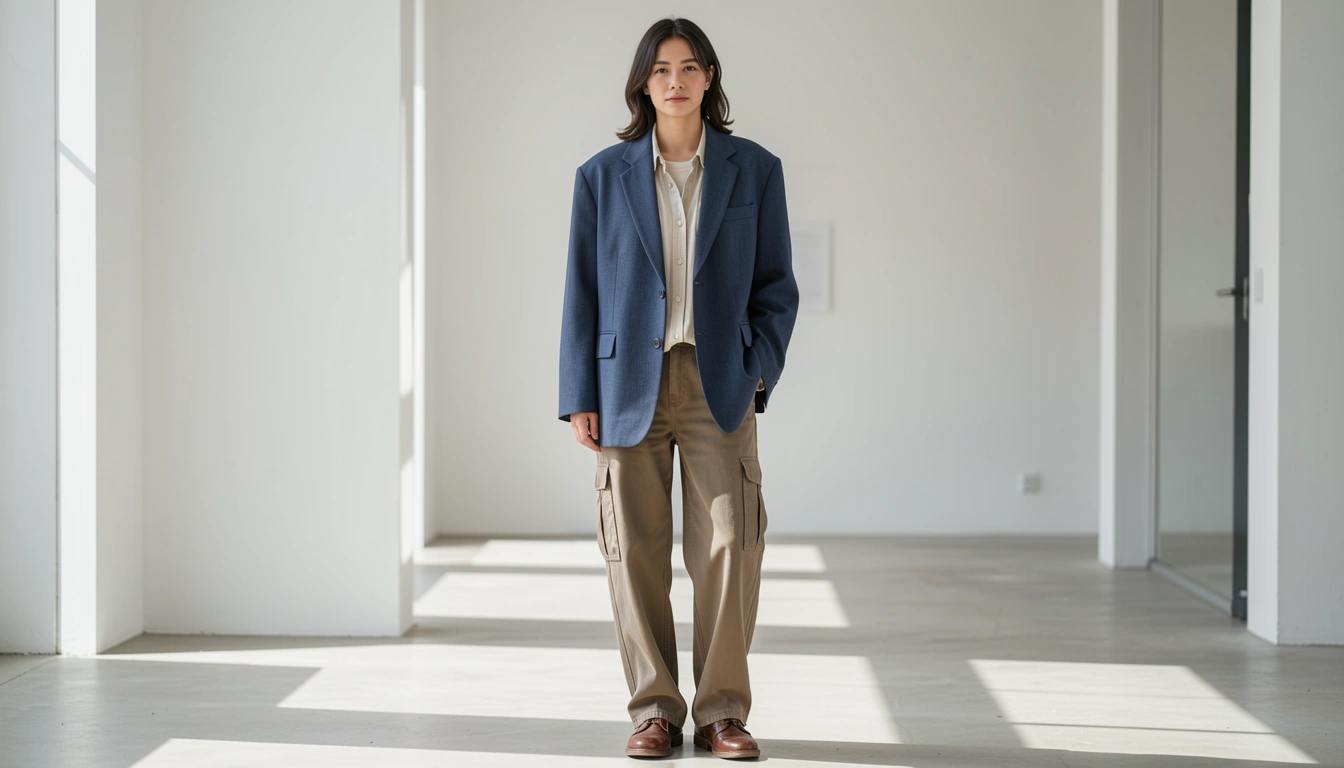
This is the method I use when an oversized blazer feels too loose or unfinished. It focuses on choosing pieces that sit well together, adjusting length and fit, and keeping the overall shape balanced so the jacket feels like part of the outfit instead of something added on top.
What You’ll Need
- Oversized Blazer in Beige Linen
- Fitted Crewneck Top in White
- Straight-Leg Trousers in Charcoal
- Leather Belt in Brown
- Low-Top Sneakers in Neutral
- Simple Hoop Earrings
Step 1: Start with a fitted base layer
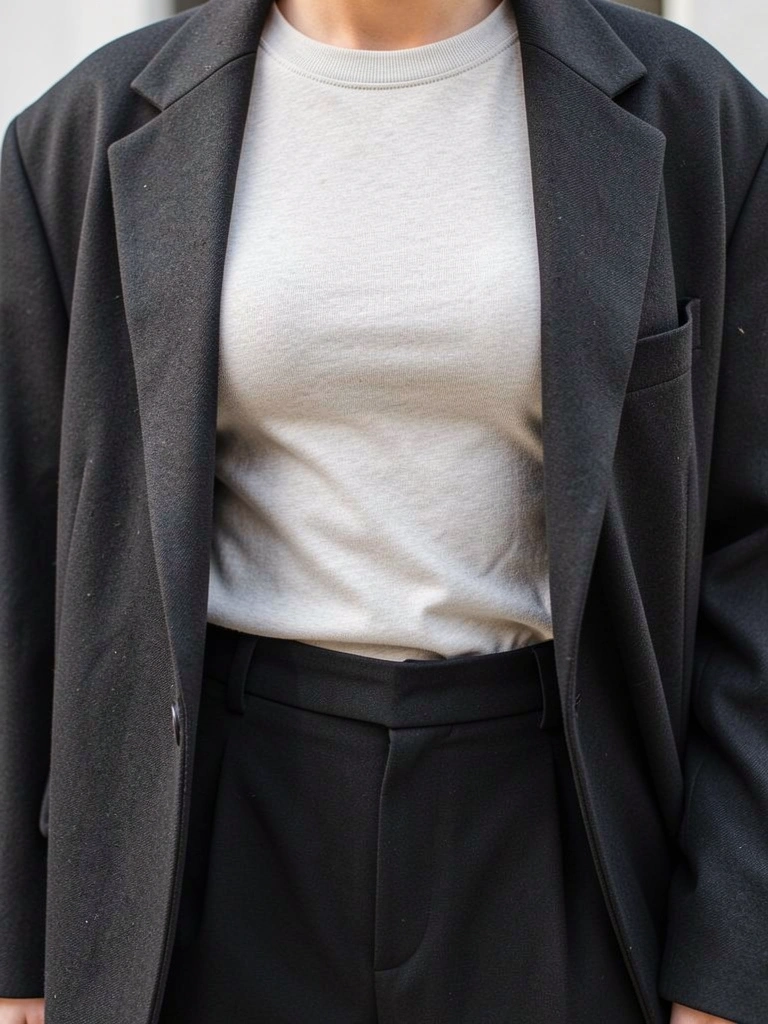
I always put on a fitted top first. A loose inner layer makes the blazer look even bigger and heavier on the body. The fitted shape gives the jacket something solid to rest against.
The difference shows up right away in how the shoulders sit instead of sliding forward. I keep the top tucked in so the blazer hem has a clear starting point.
One thing I missed at first was choosing a top that actually ends at the waist. Longer tops bunch up underneath and throw off the length. Now I check the hem before adding the blazer.
Step 2: Pair it with straighter or tapered bottoms
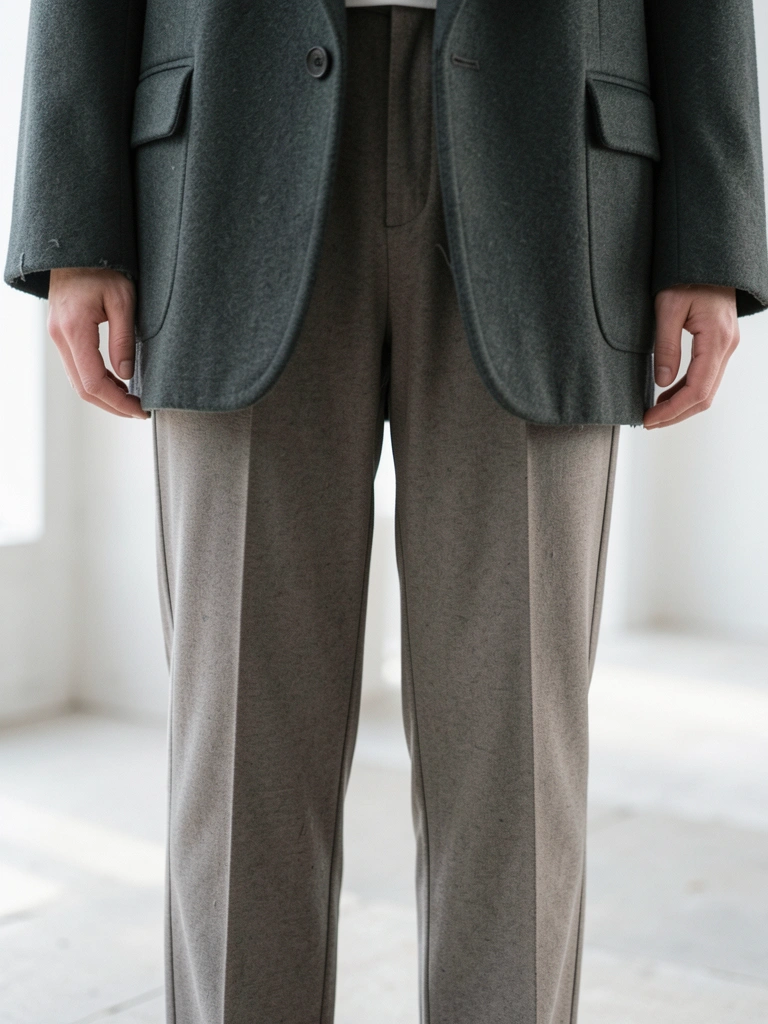
Wide or loose pants can make the whole look collapse into one big shape. I reach for straighter legs so the eye has a clear path from shoulder to hem. This stops the outfit from feeling shapeless.
The change is noticeable once I stand back. The blazer no longer swallows the lower half of the body.
A common mistake is matching loose bottoms with the oversized jacket. It feels easy at first, but the proportions flatten out fast. Straight or slightly tapered pants keep everything in balance.
Step 3: Adjust sleeve length before anything else
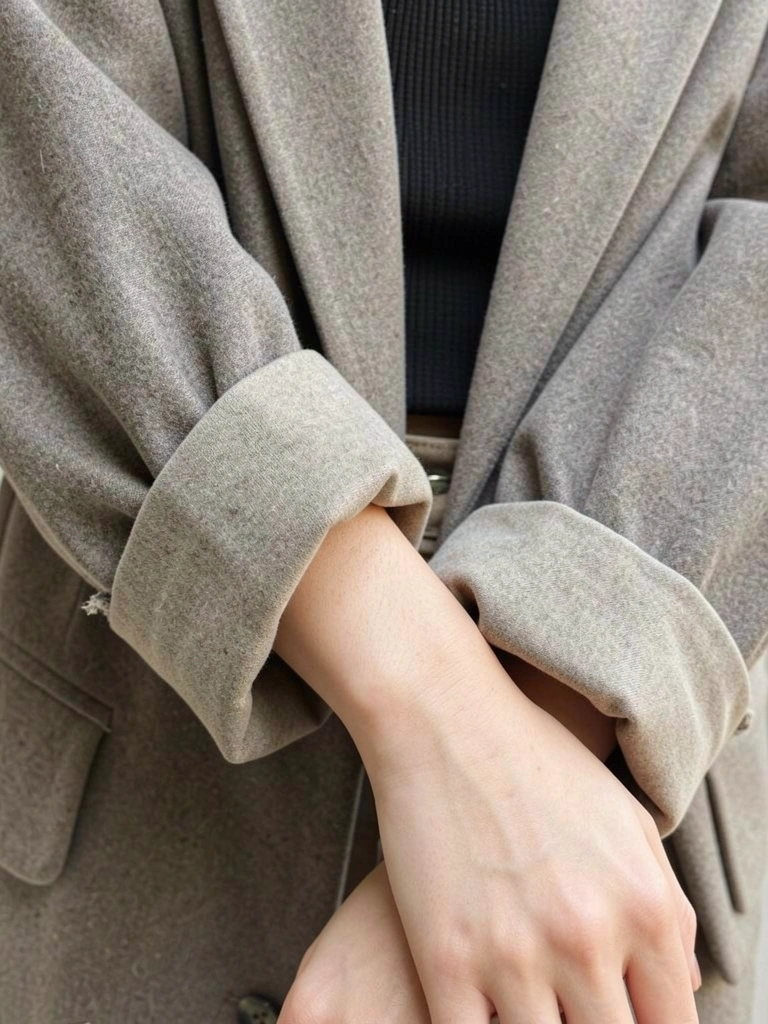
I push the sleeves up once or twice so my wrists and hands stay visible. Covering the hands completely makes the jacket feel too large even when the rest fits fine.
This small change immediately makes the blazer feel more intentional. The fabric sits higher on the arm and the overall length looks more controlled.
I used to leave the sleeves long because it seemed simpler. The outfit always looked unfinished until I fixed this first.
Step 4: Add a belt only if the shape still feels loose
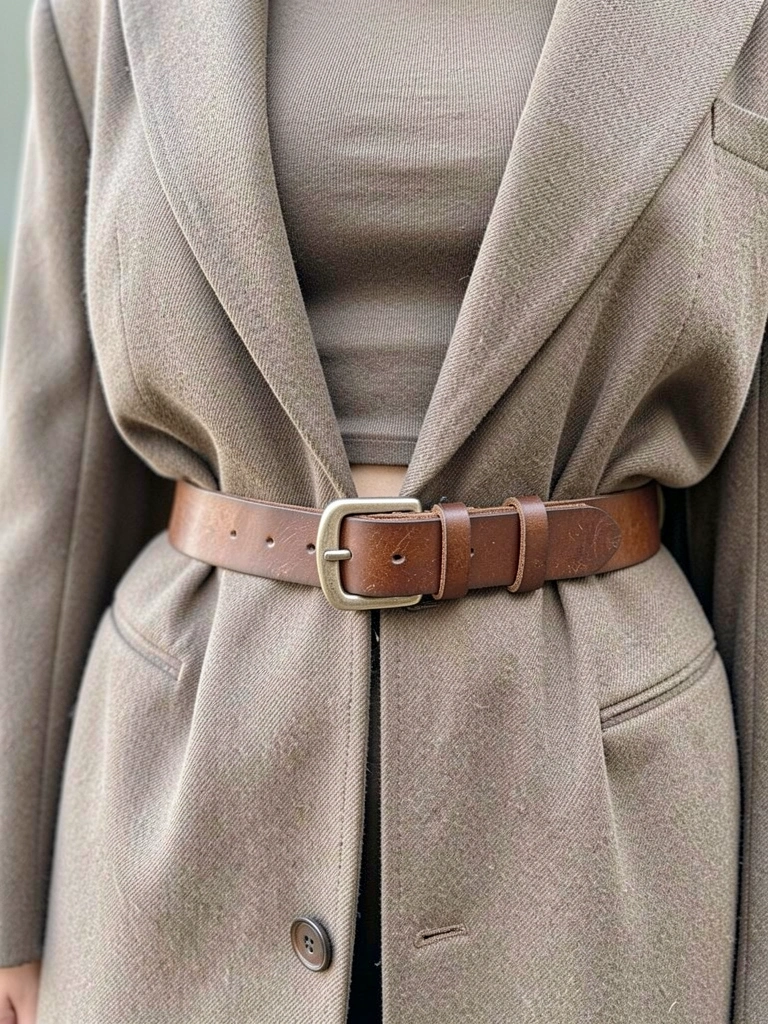
Sometimes the blazer still feels boxy even with the right top and pants. In that case I add a belt at the waist. A simple belt breaks up the long line without changing the blazer itself.
I only do this when the jacket still moves too much when I walk. Otherwise I leave it open.
The key is not pulling the belt too tight. A gentle cinch is enough to keep the shape from looking like a tent.
Step 5: Check the full length in movement
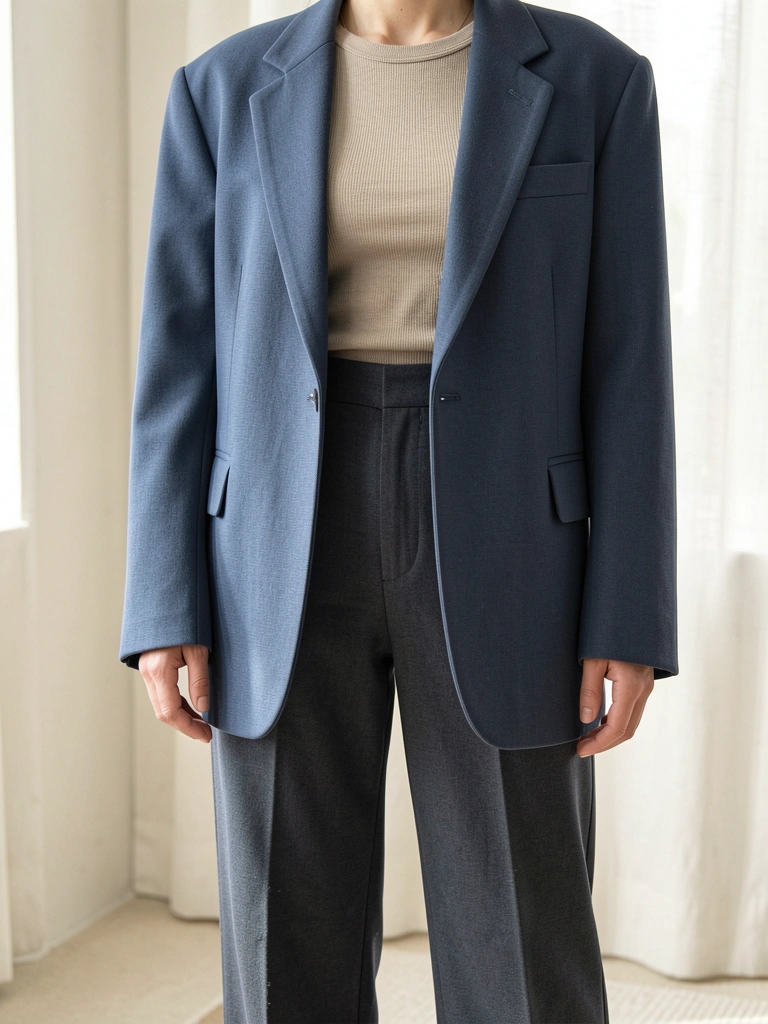
I walk around the room once the pieces are on. If the blazer hem hits at an awkward spot or the sleeves slip back down, I adjust right away.
The real test is whether I can move without constantly fixing something. When the outfit feels steady after a few steps, I know the balance is right.
Choosing the right outerwear length
The hem should sit around mid-thigh or higher on most body types. Anything longer tends to shorten the legs unless the pants are very high-waisted. I test this by sitting down and standing back up to see where the fabric lands.
Adding simple accessories without overdoing it
Small earrings or a thin necklace usually work well. Larger pieces can compete with the blazer’s volume. I keep accessories close to the neck or wrists so they don’t disappear under the fabric.
When the look feels off during the day
If the blazer starts to feel heavy, I take it off for a few minutes and put it back on. Sometimes the sleeves have shifted or the top has come untucked slightly. A quick reset often brings the balance back without changing anything else.
Final Thoughts
Start with just the base layer and bottoms. See how the blazer sits before adding anything else. Small adjustments to sleeves or waist usually make the biggest difference.
Once the proportions feel steady, the rest falls into place more easily. The goal is simply to feel comfortable in what you’re wearing.