How To Style Low Rise Jeans
I used to avoid my low rise jeans because outfits felt unfinished. The waistline never sat where I wanted it, and tops pushed or gaped.
Proportions often looked off—too much hip, too little waist.
I learned small fixes that made low rise jeans feel intentional, comfortable, and wearable every day.
How To Style Low Rise Jeans
You’ll learn how to balance proportions, choose tops that sit right, and finish looks that read clean and intentional. This is the method I use when low rise jeans make an outfit feel unfinished. It’s simple and repeatable for real life.
What You’ll Need
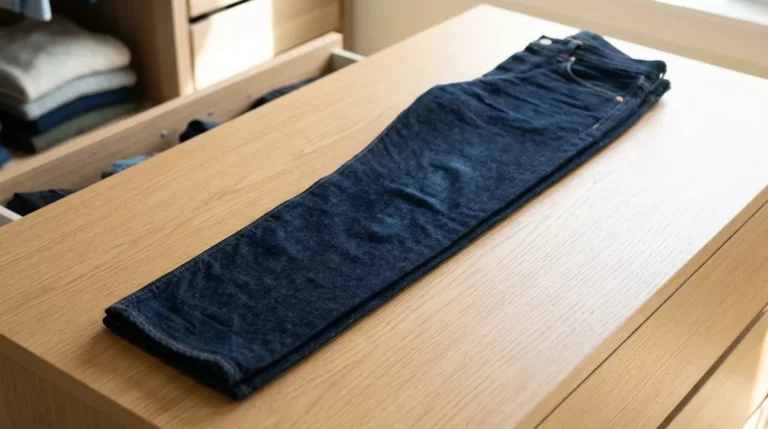
- Midwash low-rise straight-leg jeans (hips-sitting, mid-weight denim)
- Fitted ribbed tank (neutral, cropped to waist)
- Short-sleeve fitted baby tee (lightweight cotton)
- Fitted long-sleeve scoop-neck bodysuit (stretch fabric)
- Cropped boxy button-up shirt (linen or cotton)
- Thin leather belt with small buckle (subtle, low-profile)
- Tailored cropped blazer (structured shoulder, hip-length)
- Low-top minimal sneakers or low-heel ankle boots (clean profile)
Step 1: Choose Jeans That Sit Right on Your Hips
I try jeans on and move around. I want the waistband to sit comfortably on my hips without cutting in. I do this because how the jeans sit changes every decision after—top length, belt placement, even shoe choice.
Visually, the right fit gives a smooth line from hip to thigh and avoids excess fabric at the top.
The proportions read cleaner and the outfit looks intentional rather than accidental.
One insight people miss is that back rise and crotch depth matter more than the number on the tag. A common mistake is buying low rise that’s too loose in the seat—gaping at the back makes everything look sloppy.
Step 2: Use Tucks to Define the Waist (Partial, Cropped, or Bodysuit)
I decide on a tuck based on fabric weight and top length. For light tees I do a partial front tuck to show the waistband. For short tanks I let them sit to keep the silhouette low and clean.
For clingy knit layers I use a bodysuit to avoid bulk.
What changes visually is the focal point. A partial tuck creates a casual hip line.
A bodysuit reads more polished and keeps proportions slim. You’ll see a clearer waist without much fuss.
Many skip experimenting with tuck height. Tucking an inch higher or lower changes balance. A mistake to avoid: over-tucking so fabric bunches at the waistband—then the look reads messy.
Step 3: Balance Volume and Shape with Layers

I look at shoulder and torso volume next. If I wear a boxy top I keep the bottom fitted or cropped. If I want a relaxed shirt I add a structured cropped blazer to stop the outfit from drowning in fabric.
Visually, layering shifts attention.
A cropped jacket shortens the torso and lengthens legs. A boxy shirt paired with fitted jeans keeps the outfit casual without losing shape.
An insight people miss is how shoulder width affects proportion.
Too much volume on top with a low-rise hip line makes me look wide. One small mistake is matching oversized top with oversized jeans—then nothing reads intentional.
Step 4: Define the Waist with the Right Belt
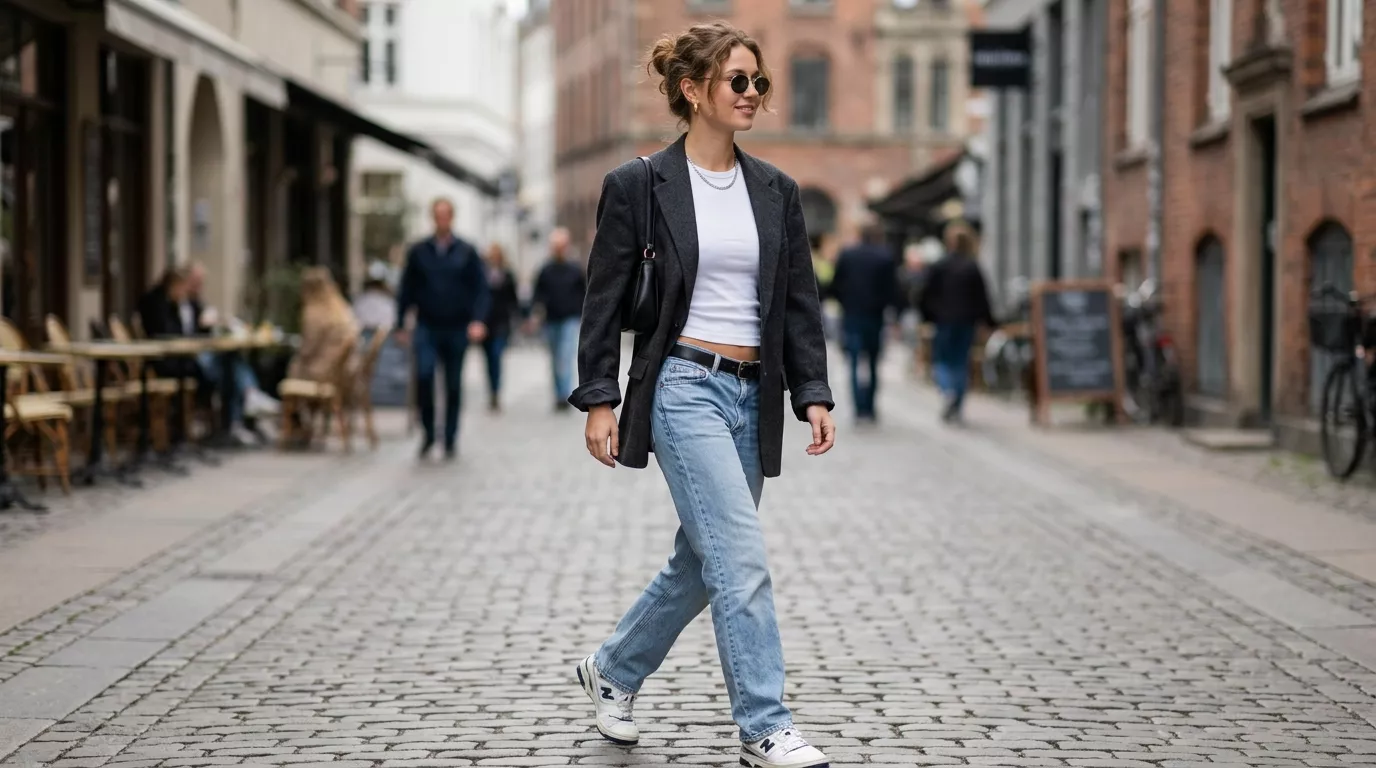
I almost always try a thin belt first. I place the buckle where the jeans naturally sit, not at my true waist. The goal is a subtle line that stops shirts from slipping and gives the eye a reference point.
Visually, a thin belt tightens the silhouette and reinforces the low-rise line. It makes tucked or partially tucked tops look cleaner and more deliberate.
People often grab a statement belt that’s designed for a higher waist. Insight: small buckles work best with low rise. Avoid a wide, heavy belt—it will cut the torso oddly and fight the low-rise silhouette.
Step 5: Finish with Shoes and Hem Attention
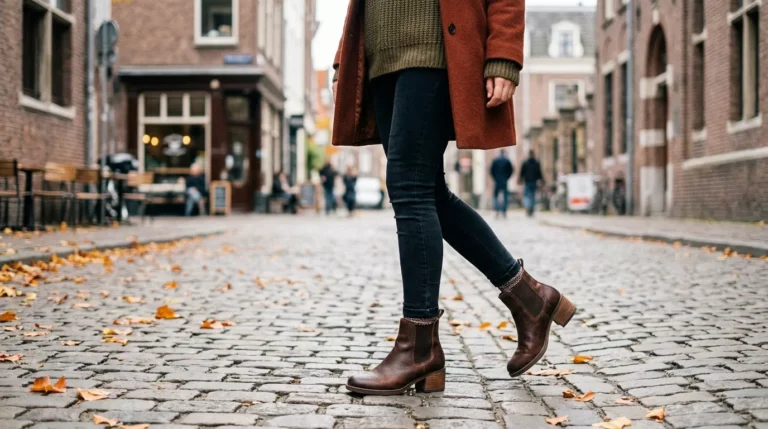
I check where the hem hits against my shoes. Ankle boots with a slightly higher vamp lengthen the leg when the rise is low. Low-profile sneakers keep the look casual and don’t add bulk at the ankle.
The visual change is about leg length and balance. Shoes with a small heel or a clean upper help the low rise read modern rather than dated.
Cuffing the hem can also change how the jeans sit on the foot.
One insight most miss: shoe bulk affects perceived rise. Heavy boots can make the lower waist look squat. Avoid big, chunky soles when you want a sleek, balanced line.
Tucks and Tops I Reach For
I keep a short list of go-to tops that make low rise jeans easy. Fitted ribbed tanks, baby tees with a bit of stretch, and scoop-neck bodysuits are my mainstays.
They play well with partial tucks and don’t add extra bulk at the waist.
For layering I grab a cropped blazer or a slightly boxy linen shirt. The blazer gives structure. The linen shirt reads casual and I can knot it for a quick waist definition. Small choices make the jeans feel intentional.
- Partial tuck: casual, quick fix
- Bodysuit: polished, no bulk
- Cropped jacket: tailored balance
Quick Fixes for Slippage and Gaping
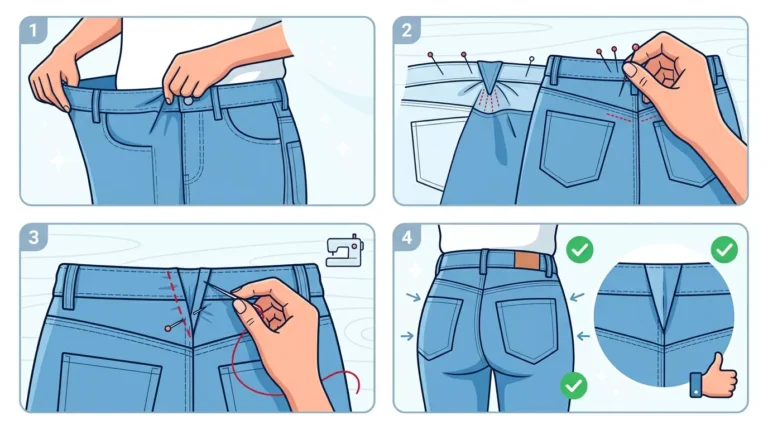
If the back gapes, I try a thinner belt or a smaller size. Sometimes a slight alteration at the waist or a dart makes the pair wearable.
I’ve found that a snugger upper hip fit fixes most slipping issues.
If a top keeps falling forward, a discrete inner clip or a half-tuck with a top-saver stitch (a quick stitch inside the seam) keeps things in place without changing the look. These are tiny fixes that preserve the silhouette.
- Gaping: try a size down or belt placement adjustment
- Slippage: consider small tailoring at the back waist
Occasion Notes: Casual to Polished
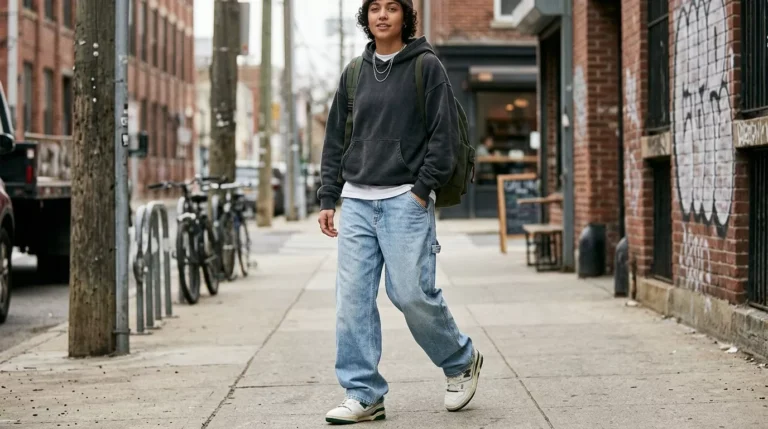
For casual days I keep things relaxed: baby tee, cropped denim, and low-top sneakers. The vibe reads intentional because the top is fitted and the proportions are clear. I avoid oversized shoes to keep it balanced.
To dress low rise up I lean on a fitted blouse or bodysuit, a thin belt, and a cropped blazer.
A small heel or sleek ankle boot adds polish. The key is keeping one element structured so the low rise doesn’t look sloppy.
- Day: denim + tee + clean sneakers
- Night: bodysuit + cropped blazer + low heel
Final Thoughts
Start with one small change. Pick a different top or add a thin belt. Wear that combo for a day and notice where your eye goes.
Make only one tweak at a time. It keeps proportions clear and decisions simple.
When it clicks, make it part of your regular rotation.